

Banarasi vs “Surat Banarasi” – How Some Sellers Mislead Buyers
Many buyers today unknowingly purchase sarees made in Surat, believing they are authentic pure Banarasi sarees.
This confusion is widespread and often leads to poor buying decisions when shopping for Banarasi silk saree online.
Important: Not every saree labeled Banarasi is actually an authentic handloom Banarasi saree from Varanasi.
Why This Misleading Practice Happens
Surat is a large textile hub known for machine-made sarees and powerloom production.
It produces sarees inspired by Banarasi silk designs, but not actual handwoven Banarasi.
Many sellers market these as “Banarasi silk saree” or “soft Banarasi saree” to attract buyers.
Important: Design similarity does not mean Banarasi saree authenticity.
1. Weaving Technique (Handloom vs Powerloom)

Handloom
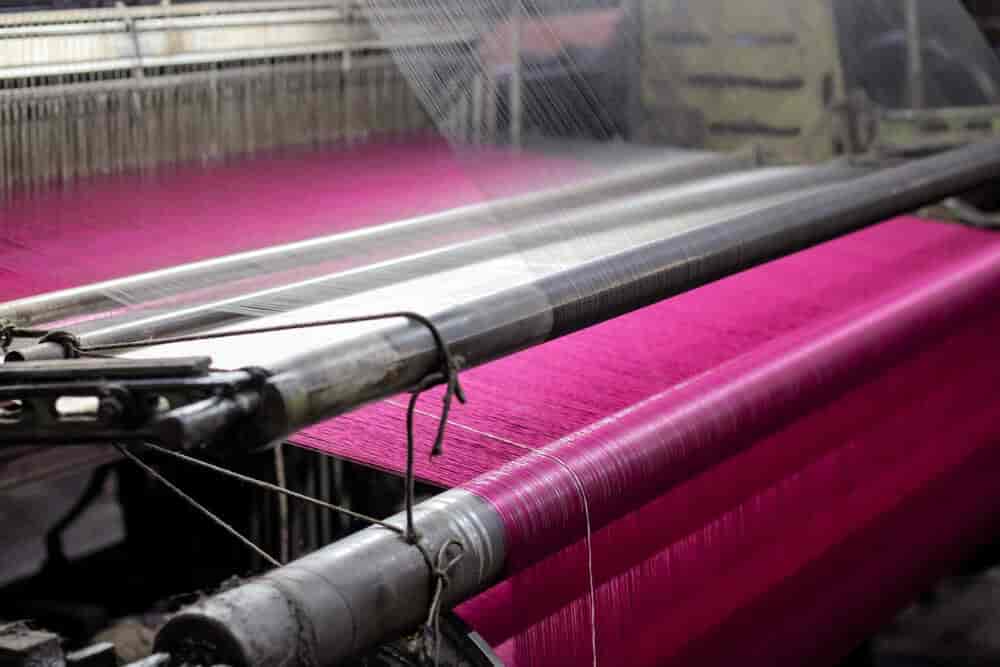
Powerloom
Banarasi saree (handloom Banarasi silk):
Handwoven by skilled artisans in Varanasi. Takes weeks or months.
Surat saree (powerloom Banarasi style):
Machine-made. Produced quickly in bulk.
Important:
Handloom Banarasi = real craftsmanship + slight irregularity
Powerloom saree = perfect finish + mass production
2. Fabric Quality (Pure Silk vs Synthetic)
Banarasi (pure Banarasi silk saree):
Made from Katan silk, Organza, or Georgette. Soft, rich, breathable.
Surat (art silk saree / synthetic Banarasi):
Made from polyester or blended fibers. Too smooth or shiny.
Important:
Pure silk Banarasi = rich texture + natural shine
Synthetic saree = artificial shine + flat feel
3. Zari Work (Real vs Tested Zari)

Banarasi (real zari Banarasi saree):
Made using silver or gold-coated threads. Subtle shine.
Surat (fake zari saree):
Uses metallic polyester threads. Looks overly bright.
Important:
Real zari = elegant, deep finish
Fake zari = shiny, reflective, artificial
4. Reverse Side Test (Best Way to Identify Pure Banarasi Saree)
Banarasi (authentic handloom saree):
Loose threads and weaving patterns visible.
Surat (machine-made saree):
Back side is clean and uniform.
Important:
If the back is too perfect → it is not a pure Banarasi saree
5. Burn Test (Silk Identification Test)
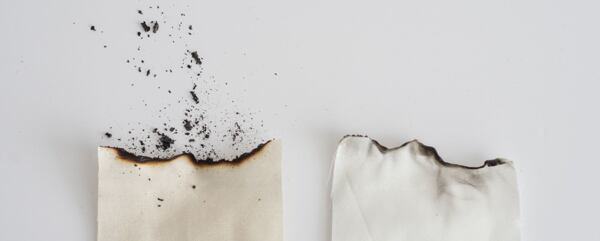
Take a small thread and burn it carefully.
Banarasi (pure silk):
Smells like burnt hair. Leaves soft ash.
Surat (synthetic saree):
Smells like plastic. Forms hard residue.
Important:
Burnt hair smell = pure silk Banarasi saree
Plastic smell = fake Banarasi fabric
6. Ring Test (Quick Authenticity Check)
Pass the saree through a ring.
Banarasi silk saree:
Slides smoothly due to fine weaving.
Surat saree:
Feels stiff or bulky.
Important:
Fine silk saree = smooth flow through ring
7. Texture & Sound Test (Traditional Silk Test)
Rub the saree gently near your ear.
Banarasi silk:
Produces a crisp silk sound.
Surat fabric:
No sound or flat feel.
Important:
Real silk produces natural sound due to fiber friction
8. Weight & Fall (Drape Test)
Banarasi saree:
Slightly heavy with a graceful fall.
Surat saree:
Too light or stiff.
Important:
Authentic Banarasi silk drapes naturally and elegantly
9. Price Check (Banarasi Saree Price Reality)
Pure Banarasi saree price:
Premium due to handloom weaving and real silk.
Surat saree price:
Low due to machine production.
Important:
Cheap “Banarasi silk saree” is usually fake
Common Misleading Terms in the Market
-
Banarasi style saree
-
Soft Banarasi saree
-
Banarasi silk blend
-
Designer Banarasi saree
Important:
These are not authentic Banarasi handloom sarees
How to Identify Pure Banarasi Saree Before Buying
-
Check handloom vs powerloom saree
-
Verify origin (Varanasi Banarasi saree)
-
Look for Silk Mark certification
-
Check GI tag Banarasi saree
-
Inspect reverse side weaving
Important:
Always buy from trusted brands selling authentic Banarasi sarees online
Final Insight
A real Banarasi silk saree represents heritage, craftsmanship, and timeless luxury.
A machine-made saree only copies the design—not the tradition.
Important:
Understanding Banarasi saree authenticity helps you invest in real handloom silk, not imitation


