Article: Navratri in Banaras 2026: The Ultimate Guide to What to Do, See and Visit
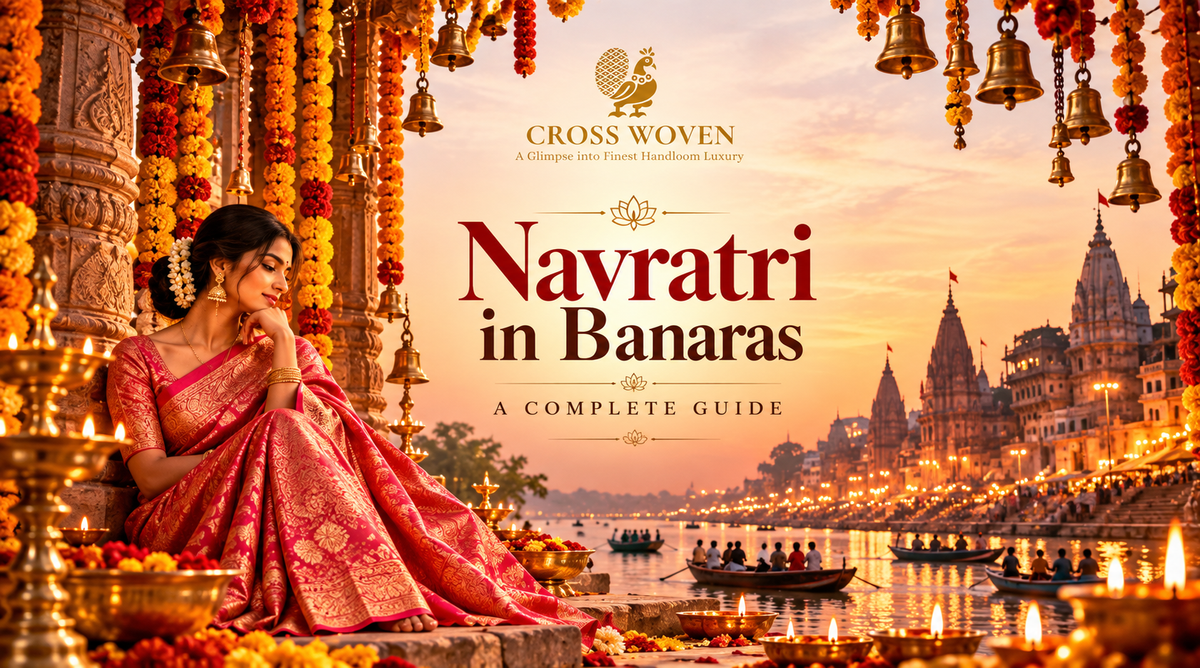
Navratri in Banaras 2026: The Ultimate Guide to What to Do, See and Visit
Banaras during Navratri has a different rhythm. The sound of temple bells fills the narrow lanes, devotees visit Maa Durga's temples, neighbourhoods prepare for Durga Puja, and the ghats become a meeting point for people looking to experience the city's spiritual side. From morning darshan to evening aarti and festive shopping, there is plenty to explore during these nine days.
If you are planning a visit to Varanasi during Navratri 2026, this guide will help you plan your days, discover important temples, explore local celebrations, try fasting-friendly food and find something special to wear for the festivities.
Whether you are visiting Banaras for the first time or returning to experience its festive atmosphere, leave enough time to explore beyond the main tourist spots. Some of the most memorable moments can happen in a small neighbourhood temple, a busy sweet shop or a quiet walk beside the Ganga.
1. Why Navratri in Banaras Is Special

Banaras, also known as Varanasi or Kashi, has a deep connection with Hindu worship and pilgrimage. During Navratri, devotion to Maa Durga becomes especially visible across the city. Families visit temples, devotees observe fasts, and local communities organise religious and cultural activities.
What makes Navratri in Banaras interesting is the mix of experiences available within a relatively small area. You can begin your morning at a Devi temple, walk through the old city's markets, spend the evening near the Ganga and finish the day exploring a Durga Puja pandal.
The city's connection with Maa Durga
Maa Durga is worshipped as a form of Shakti, the divine feminine power. Several temples in Varanasi are associated with different forms of the Goddess, each with its own religious significance and local traditions.
Durga Kund Temple is one of the best-known places for devotees during Navratri. Vishalakshi Temple, Annapurna Temple and Kalratri Temple are also important stops for those wishing to explore the city's spiritual heritage.
Temples, ghats and neighbourhood celebrations
Navratri is not limited to temple visits. Local neighbourhoods may organise devotional singing, community pujas, cultural programmes and decorated pandals. The scale and schedule vary by area, so visitors should check local announcements before planning their evenings.
For travellers, this variety makes the festival a chance to experience both the religious traditions and everyday life of Banaras.
2. The Nine Days of Navratri in Banaras
Sharadiya Navratri is celebrated over nine nights in honour of the nine forms of Maa Durga, collectively known as the Navadurga. Each day is associated with a particular form of the Goddess.
The following table describes the traditional sequence. Colours worn by devotees can vary by regional custom and annual festival calendars.
|
Day |
Form of Maa Durga |
Traditional significance |
|---|---|---|
|
Day 1 |
Shailputri |
New beginnings and devotion |
|
Day 2 |
Brahmacharini |
Patience, discipline and penance |
|
Day 3 |
Chandraghanta |
Courage and protection |
|
Day 4 |
Kushmanda |
Creation and energy |
|
Day 5 |
Skandamata |
Motherhood and compassion |
|
Day 6 |
Katyayani |
Strength and determination |
|
Day 7 |
Kalaratri |
Protection from darkness and fear |
|
Day 8 |
Mahagauri |
Purity and peace |
|
Day 9 |
Siddhidatri |
Spiritual fulfilment and blessings |
How locals observe the nine days
Many devotees visit temples, offer flowers and prasad, recite prayers and observe fasting according to their family traditions. Some people avoid grains during their fast, while others follow different dietary rules.
Ashtami and Navami are especially significant for many families. Some households perform Kanya Pujan, a ritual in which young girls are worshipped as manifestations of the Goddess and offered food and gifts.
A useful tip: If you want to visit several Devi temples, plan your route in advance. Festival crowds can make short distances take much longer than expected.
3. Temples to Visit During Navratri in Banaras
A temple visit is one of the most meaningful ways to experience Navratri in Varanasi. If you have limited time, choose temples based on their location so that you can explore nearby places without spending too much time travelling.

Durga Kund Temple
Dedicated to Maa Durga, this red-coloured temple beside Durga Kund is one of the city's best-known Devi shrines. The temple attracts devotees throughout the year, with larger gatherings during Navratri.
What to expect: Devotional worship, temple architecture and a busy atmosphere during festival days.
Best time: Early morning, preferably before the main rush. Check current timings before visiting.

Annapurna Temple
Maa Annapurna is worshipped as the Goddess of nourishment and food. The temple is close to Kashi Vishwanath Temple, making it convenient to include in an old-city temple walk.
What to expect: Devotees offering prayers to the Goddess and a setting closely connected with Kashi's food and worship traditions.
Best time: Morning, combined with nearby temples if you plan to explore the old city on foot.

Sankat Mochan Temple
Although dedicated to Lord Hanuman rather than Maa Durga, Sankat Mochan is a significant stop for devotees visiting the city. It is in the southern part of Varanasi near the Assi area.
What to expect: Devotional singing, prayers and a busy temple environment.
Best time: Early morning or during an announced aarti. Check the temple's visitor guidance, including restrictions on phones and bags.

Kashi Vishwanath Temple
Dedicated to Lord Shiva, Kashi Vishwanath is one of the most important pilgrimage sites in Varanasi. It can be included in the same old-city itinerary as Annapurna and Vishalakshi temples.
What to expect: Security checks, queues and substantial crowds during major religious occasions.
Best time: Early morning, after checking current darshan arrangements and entry rules.
Other temples worth considering
-
Sankatha Devi Temple: A Goddess shrine near the Sindhia Ghat area, associated with protection from difficulties.
-
Tulsi Manas Temple: A temple dedicated to Lord Rama, close to the Durga Kund area. It can be added to a southern Varanasi temple route.
Planning tip: Do not try to cover every temple in one morning. Pick two or three nearby stops, especially during Ashtami and Navami, when queues may be longer.
4. Banaras' Famous Navratri and Durga Puja Pandals

Pandal hopping is a major part of the festive experience for visitors who want to see a different side of Banaras. Local committees and neighbourhood groups create temporary spaces for worship, with decorations and Goddess idols that can range from traditional designs to elaborate themed displays.
Durga Puja and Navratri overlap in the autumn festival season, but individual pandals may open on different days. Do not assume every location will be fully operational from the first day.
Areas to explore
|
Area |
What to look for |
|---|---|
|
Bengali Tola |
Bengali Durga Puja traditions and neighbourhood worship |
|
Hathua Market |
A locality to check for seasonal pandal celebrations |
|
Macchodari |
One of the areas mentioned in local discussions of Durga Puja |
|
Nai Sarak |
Old-city streets and nearby community celebrations |
|
Sigra |
A more accessible area to explore for local festivities |
|
Shivpur and Pandeypur |
Neighbourhood celebrations across the wider city |
These are suggested areas to investigate, not a verified list of confirmed 2026 pandals. Exact venues, themes and opening dates should be checked with local organisers before visiting.
Traditional pandals or elaborate displays?
Some pandals focus on customary worship, familiar idol designs and community participation. Others may feature large installations, decorative lighting and artistic themes. Both offer different ways to experience the festival.
If you enjoy photography, arrive before dark to see the decorations clearly, then stay into the evening for the illuminated displays. Always ask before photographing worshippers or rituals.
How to plan an evening of pandal hopping
-
Choose two or three pandals in the same part of the city.
-
Start before the busiest evening period.
-
Allow extra time for walking, queues and traffic.
-
Check the return route before leaving, especially if you are travelling with children or older family members.
Ashtami and Navami can be particularly busy. If you prefer to move around more comfortably, consider an earlier evening and check which pandals are open.
5. Where to Experience Garba and Dandiya in Banaras
Garba and Dandiya bring music, dance and colourful festive clothing into Navratri celebrations. In Varanasi, events may be organised by community groups, colleges, cultural organisations, clubs and private venues.
However, the availability of events changes each year, so visitors should check current announcements rather than relying on last year's schedules.
Types of events to look for
-
Community Garba: Local gatherings where participants dance in groups and celebrate together.
-
Dandiya nights: Events featuring traditional sticks, rhythmic music and group dancing.
-
Family-friendly celebrations: Organised gatherings with designated entry rules and arrangements for children.
-
College and youth events: Programmes that may feature DJs, dance performances and dress themes.
Do you need tickets or registration?
Some events may offer free entry, while others require paid tickets or advance registration. Check the organiser's official page for venue details, event timing, age restrictions, parking and ticket terms.
What should you wear?
Choose clothing that lets you move comfortably. A lightweight lehenga, an easy-to-manage skirt and top, a kurta set or a festive Indo-western outfit can all work well. If you plan to dance for several hours, secure your dupatta and choose comfortable footwear.
For men, a kurta with trousers or a lightweight traditional outfit is a practical option.
6. Navratri at the Ghats

The ghats are an important part of the Banaras experience. During Navratri, a visit to the riverfront gives you time to take in the city's atmosphere away from the busiest temple lanes.
Watch the evening Ganga Aarti
Dashashwamedh Ghat is known for its evening Ganga Aarti. The ceremony features coordinated rituals, lamps, incense and devotional music beside the river.
Arrive well before the expected start time, especially during the festival period. The exact arrangements can change, and space may be limited.
Visit Assi Ghat
Assi Ghat is another option for an evening walk beside the Ganga. It is particularly convenient if you are visiting Durga Kund, Sankat Mochan or the southern part of the city.
You can spend time near the river, enjoy refreshments nearby and watch the light change over the water.
Should you take a boat ride?
A boat ride can offer views of the ghats from the river. Choose an authorised operator, agree on the fare before boarding and follow safety instructions. Avoid overcrowded boats and use the life jackets provided.
Best time to visit: Late afternoon through the evening works well for riverside sightseeing. Leave extra time to reach your next destination because traffic and pedestrian movement can be slow.
7. What to Eat During Navratri in Banaras
Food is another way to experience Navratri in Varanasi. During the festival, many local eateries offer fasting-friendly dishes, while sweet shops and traditional food stalls continue to attract visitors.
Remember that fasting rules vary by household. If you are observing a vrat, ask about the ingredients before ordering, especially whether regular salt, grains, onion or garlic are used.

Sabudana khichdi and sabudana vada
Sabudana, or tapioca pearls, is commonly used during fasting. Khichdi is usually prepared with potatoes, peanuts and suitable seasonings. Sabudana vada is another popular option, although it is often deep-fried.
Kuttu and singhara flour dishes
Kuttu flour, made from buckwheat, is used to prepare puris and other fasting dishes. Singhara flour, made from water chestnuts, is another common ingredient in vrat recipes.
These dishes are often served with potato preparations or vrat-friendly chutneys. Ask the restaurant to confirm that the entire meal follows your fasting requirements.
Fruits and fruit chaat
Fruit chaat is a convenient option between temple visits. Depending on the vendor, you may find seasonal fruit mixed with suitable spices and rock salt.
Lassi and Banarasi sweets
Banaras is known for its lassi shops and sweet shops. A glass of lassi can be refreshing after walking through the old city, while sweets make a good treat during a break from sightseeing.
However, ordinary lassi and sweets are not automatically suitable for every vrat. Check ingredients and preparation methods if you are fasting.
Where can you find fasting food?
Look around Godowlia, the Dashashwamedh area, Assi and the markets near major temples. These are useful areas for finding refreshments while exploring the city, although individual shops may not offer a dedicated vrat menu.
If you have specific dietary restrictions, ask before ordering rather than assuming that a dish is fasting-friendly.
8. What to Wear for Navratri in Banaras
Your clothing should match the activities you have planned. You might spend the morning walking through temple lanes, the afternoon shopping and the evening attending a puja or cultural event.

|
Occasion |
Clothing suggestions |
|---|---|
|
Temple visits |
Comfortable kurta sets, cotton sarees or simple Indian wear |
|
Pandal hopping |
Lightweight suits, kurtas or festive separates |
|
Garba and Dandiya |
Easy-to-move-in lehengas, skirts or coordinated outfits |
|
Family puja |
Sarees, salwar suits or traditional festive wear |
|
Evening celebrations |
Banarasi silk, tissue, organza or embroidered outfits |
Choose breathable fabrics if you expect to spend hours outdoors. Comfortable footwear is especially important because you may need to walk through crowded streets or leave your shoes outside a temple.
For photographs, festive colours and traditional Indian silhouettes work beautifully against the architecture and riverfront of Banaras.
9. The Banarasi Textile Connection

Banaras is closely associated with silk weaving, brocade and detailed textile work. These traditions are an important part of the city's cultural identity, making festive clothing a natural part of a Navratri travel guide.
You do not need a heavy silk saree for every occasion. The right fabric depends on where you are going, how long you will be out and how comfortable you want to feel.
Banarasi silk versus lighter festive fabrics
Banarasi silk: A traditional option for family pujas, festive dinners and special occasions. Rich brocade patterns and zari details create a more formal look.
Tissue: A useful choice when you want a festive appearance with a distinctive sheen. The feel and weight depend on the fabric composition and construction.
Organza: A lightweight-looking, structured fabric that works well for dressier daytime gatherings and evening events. It may need careful handling because some varieties are delicate.
Banarasi dupattas and suit fabrics: Practical alternatives if you prefer something easier to style than a full saree. A brocade dupatta can add a traditional touch to a relatively simple outfit.
What to check when buying Banarasi textiles
-
Ask whether the product is handwoven or powerloom-made.
-
Confirm the fibre composition rather than relying on the appearance alone.
-
Ask what the zari contains and whether the seller provides details about it.
-
Check the reverse side, finishing and weave consistency.
-
Request a bill and written product details when buying an expensive piece.
Not every Banarasi-style textile is made from pure silk or woven by hand. Clear product information helps you understand what you are purchasing.
Banarasi textiles are a natural choice for festive dressing. If you are planning your Navratri look, explore our collection of Banarasi silk sarees to find styles for family pujas and evening celebrations.
10. A Two- to Three-Day Navratri Itinerary
If you are visiting from outside Varanasi, two or three days will give you more time to explore without rushing.
Day 1: Temples and Old Banaras
-
Begin at Durga Kund Temple.
-
Visit Tulsi Manas Temple or Sankat Mochan if time allows.
-
Explore Kashi Vishwanath and nearby temples, subject to queues.
-
Walk through the old-city lanes and have a traditional meal.
-
Keep the evening free for rest or a nearby confirmed puja.
Day 2: Ghats, Local Food and Garba at Kailash Math
-
Morning: Start the day with a peaceful walk along Assi Ghat or another ghat of your choice. Enjoy the river views and take your time exploring the surroundings.
-
Late morning: Visit Annapurna Temple or Vishalakshi Temple, depending on your schedule and temple timings.
-
Afternoon: Try local food, explore the old-city markets or take a break at your accommodation before the evening celebrations.
-
Evening: Visit the ghats for sunset views and, if your schedule allows, attend the Ganga Aarti.
-
Night: Head to Kailash Math for Garba, if the event is scheduled there during your visit. Confirm the event timings, entry requirements and registration details in advance.
Day 3: Shopping and Festive Experiences
-
Browse Banarasi sarees, dupattas and festive textiles.
-
Ask sellers about weaving techniques, materials and product details.
-
Visit a local craft or market area.
-
Attend a Garba or Dandiya event if a suitable event is confirmed.
-
Keep enough time to reach the railway station or airport.
11. Best Areas to Explore During Navratri
Different parts of Varanasi offer different experiences. Choosing areas by activity can help you save time.
-
Godowlia: A useful starting point for old-city shopping and access to nearby religious sites.
-
Dashashwamedh area: Known for its proximity to the riverfront and evening Ganga Aarti.
-
Durga Kund: Suitable for visiting Durga Kund Temple and nearby southern Varanasi attractions.
-
Assi: A popular area for riverside walks, food and access to Sankat Mochan.
-
Lanka: Useful for exploring the area around Banaras Hindu University and nearby food options.
-
Old City: Best explored on foot where streets are narrow, with time set aside for temples, markets and traditional shops.
-
Sigra, Shivpur and Pandeypur: Areas to check for neighbourhood Durga Puja celebrations, depending on confirmed local programmes.
Do not assume that every area has a large public event. Check local announcements before making a special trip to a particular neighbourhood.
12. Navratri Shopping in Banaras
Shopping can be part of the festival experience, especially if you want to take home a textile or a gift from the city.
-
Banarasi silk sarees for weddings and family celebrations.
-
Brocade dupattas that can be paired with plain suits.
-
Festive suit fabrics for custom tailoring.
-
Lighter sarees and festive fabrics for daytime gatherings.
-
Jewellery and accessories to complete your outfit.
-
Local handicrafts and souvenirs.
Where to shop
Godowlia and the surrounding old-city market areas are useful starting points for visitors. You can also explore textile sellers online before travelling if you want to compare designs and plan your purchases.
Crosswoven is an option for exploring Banarasi sarees and festive styles online. If you want a particular fabric, weave or colour, check the individual product details before ordering.
How to buy a Banarasi saree with confidence
Ask for details about silk content, weaving method, zari composition, care requirements and return policies. Handloom and powerloom products can both have attractive designs, but they are not the same thing.
For an expensive purchase, keep the bill and any product documentation. Do not rely on a single visual test to establish authenticity.
13. Things to Know Before Visiting Banaras During Navratri
A little preparation can make your visit much easier.
Expect crowds
Popular temples and festival evenings can become busy. Start early and allow extra time between destinations.
Be ready to walk
Narrow old-city lanes can be difficult to navigate by car. Use an accessible drop-off point and walk the remaining distance where necessary.
Check traffic restrictions
Temporary diversions and vehicle restrictions may apply around major temples, ghats and pandals. Check local police or district administration updates on the day.
Check timings before leaving
Temple schedules and event arrangements may change during the festival. Confirm the latest information, especially for special pujas and ticketed events.
Carry payment options
Keep some cash for small purchases while retaining access to UPI. Do not assume every stall or event accepts every payment method.
Plan for footwear and security
Some temples require you to remove footwear and may restrict bags or electronic devices. Check entry rules and carry only what you need.
Prepare for the weather
Late September and October can still be warm, and rain is possible. Carry water, use sun protection and keep a light rain layer if needed.
Respect local customs
Dress appropriately for religious spaces, follow photography rules and avoid blocking worshippers while taking pictures.
For official destination information, begin with the Kashi Official Web Portal at
14. Frequently Asked Questions
Is Navratri celebrated in Banaras?
Yes. Navratri is celebrated in Varanasi with worship at Devi temples, household rituals, fasting and local community celebrations. Durga Puja pandals and other cultural activities add to the festival atmosphere.
What are the famous Durga temples in Varanasi?
Durga Kund Temple and Vishalakshi Temple are two prominent shrines dedicated to the Goddess. Annapurna Temple and Sankatha Devi Temple are other places to consider when exploring the city's religious heritage.
What can I do in Varanasi during Navratri?
You can visit temples, watch the Ganga Aarti, explore Durga Puja pandals, try fasting-friendly food, shop for Banarasi textiles and attend a Garba or Dandiya event if one is taking place during your visit.
Where can I go for Garba in Varanasi?
Check current announcements from local cultural organisations, community groups, colleges and event venues. Confirm the location, entry requirements, schedule and ticket availability before travelling.
Where are the famous Durga Puja pandals in Banaras?
Bengali Tola, Hathua Market, Macchodari and other neighbourhoods are worth checking for local celebrations. Exact 2026 pandal locations and opening schedules should be confirmed locally.
What should I wear to temples in Varanasi?
Comfortable, modest clothing is a practical choice. Lightweight Indian wear works well for walking between temples, and easy-to-remove footwear can help where shoes must be left outside.
What is special about Navratri in Banaras?
The festival combines Devi worship with Varanasi's temple traditions, old-city markets, riverside rituals and community celebrations. Visitors can experience several aspects of the festival in a single trip.
Is Varanasi crowded during Navratri?
Popular temples and festival areas can be crowded, particularly during major puja days and evening celebrations. Early starts, flexible schedules and walking where appropriate can help.
What are the best places to visit in Varanasi during Navratri?
Consider Durga Kund Temple, Vishalakshi Temple, Annapurna Temple, Kashi Vishwanath Temple, Dashashwamedh Ghat and Assi Ghat. Add a few confirmed Durga Puja pandals based on their location and your available time.
How many days are enough to explore Banaras during Navratri?
One day is enough for a short visit focused on a few temples and the ghats. Two or three days give you more time for pandals, shopping, food and cultural events.
Can I shop for Banarasi sarees during Navratri?
Yes. You can explore textile shops around the old city or browse online collections. Check the fibre composition, weaving method, zari details and return policy before making a purchase.
Is it possible to visit temples and attend Garba on the same day?
Yes, if you plan your route and choose an event with a confirmed schedule. Allow time for temple queues, evening traffic and travel to the event venue.
Conclusion
Navratri in Banaras is an opportunity to experience the city through its temples, neighbourhood celebrations, riverfront and textile traditions. You can spend the morning seeking blessings, the afternoon exploring old-city markets and the evening watching the Ganga Aarti or visiting a Durga Puja pandal.
If you are planning a festive outfit for the trip, Banarasi silk sarees, brocade dupattas and lighter festive fabrics offer several ways to bring the city's textile heritage into your celebration.
Looking for something Banarasi to wear this Navratri? Explore the Crosswoven festive collection for sarees and festive styles inspired by the textile traditions of Banaras.