Varanasi During Sawan: The Ultimate Guide to Temples, Ghats & Authentic Banarasi Silk Sarees
There are few destinations in India where spirituality, history, craftsmanship, and living traditions come together as beautifully as Varanasi. Known as Kashi or Banaras, this ancient city has welcomed pilgrims, scholars, artists, and travelers for thousands of years. Every narrow lane tells a story, every ghat echoes centuries of devotion, and every handloom reflects the artistry of generations.
Among all the seasons to experience this timeless city, the holy month of Sawan (Shravan) stands apart. During this sacred period dedicated to Lord Shiva, Varanasi transforms into one of India's most vibrant spiritual destinations. Devotees arrive from every corner of the country to seek blessings at the Kashi Vishwanath Temple, participate in the Ganga Aarti, and immerse themselves in the city's deeply rooted traditions.
Yet Sawan offers more than a spiritual journey. It is also one of the finest times to discover another treasure that has made Varanasi famous across the world—its authentic Banarasi silk sarees.
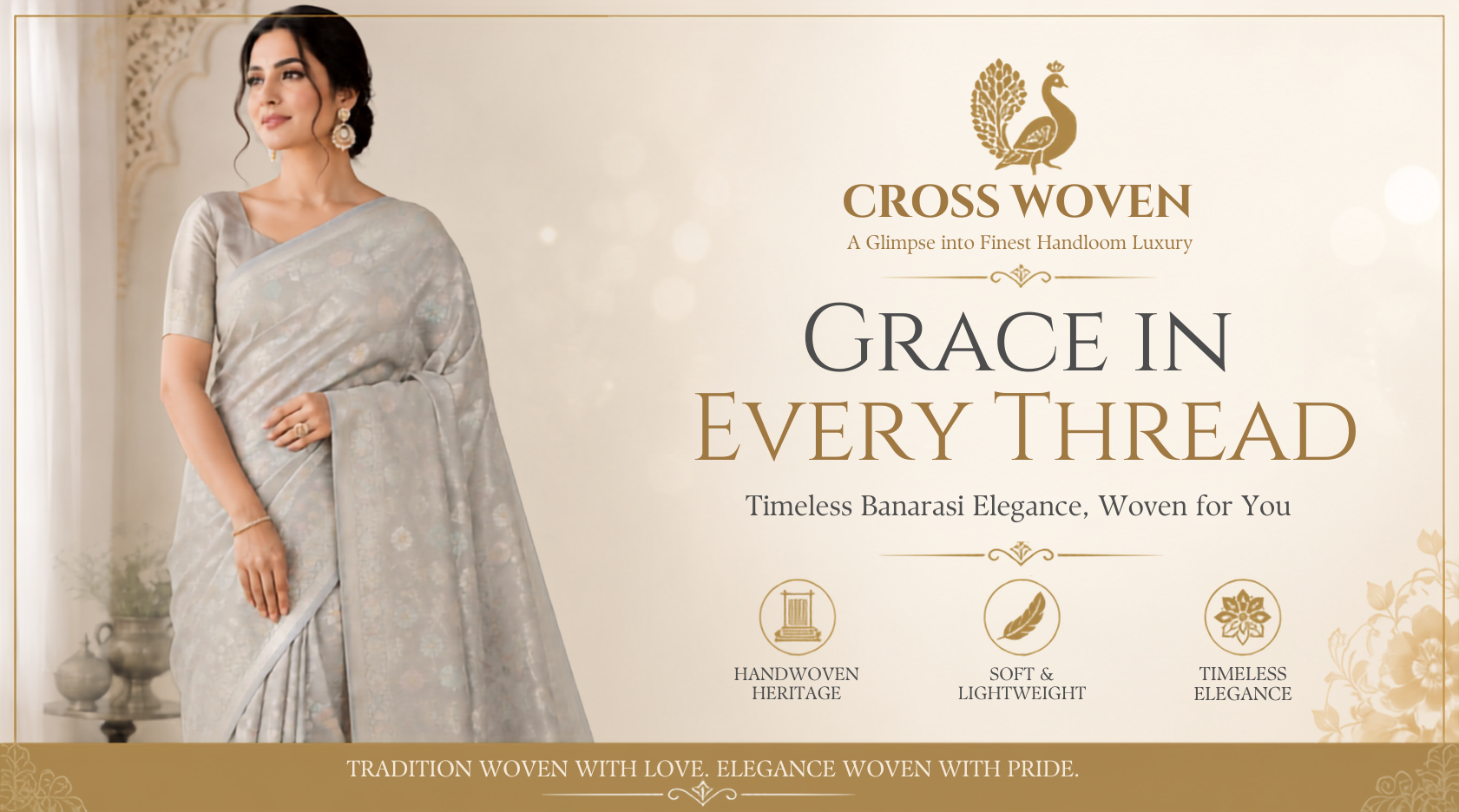
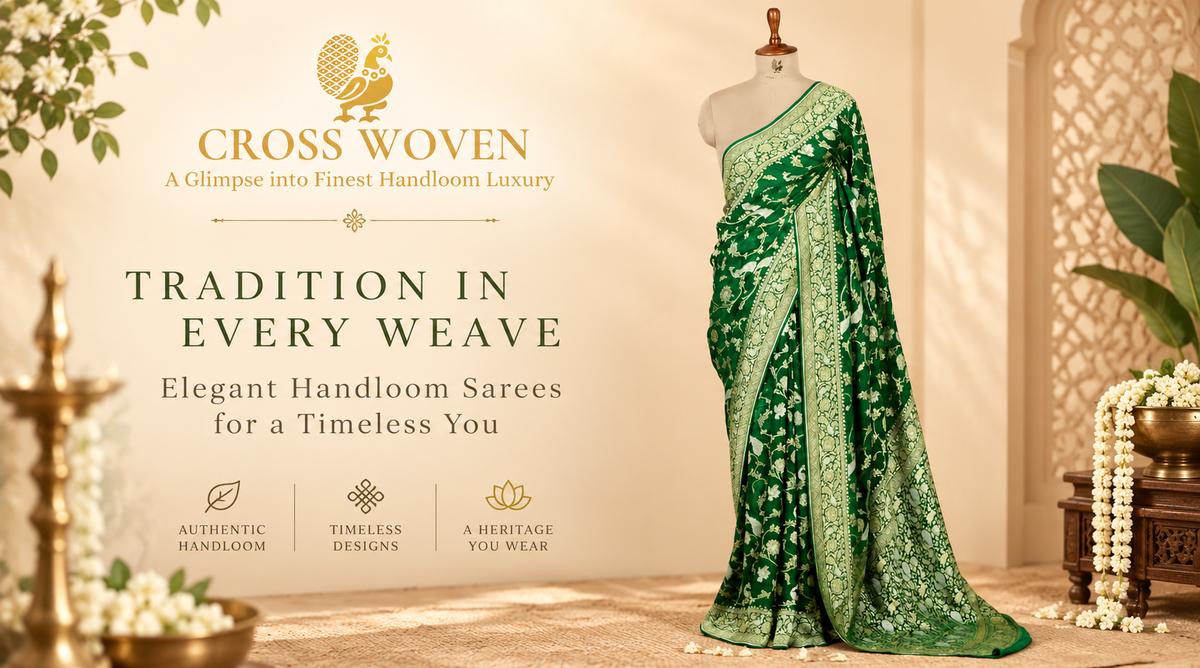
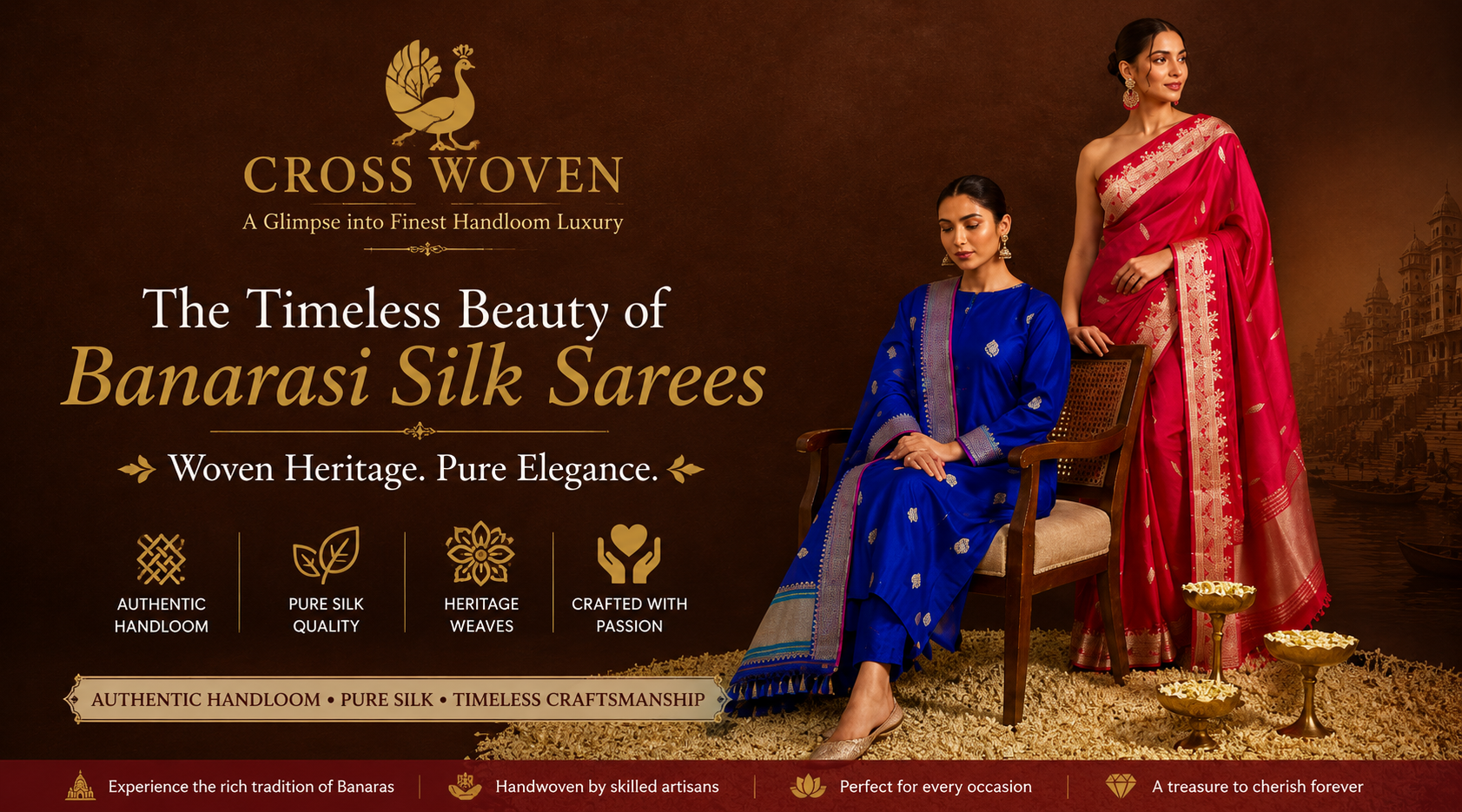
Unlike ordinary garments, a Banarasi saree represents centuries of weaving expertise, cultural heritage, and artistic excellence. Woven patiently on traditional handlooms by skilled artisans, every saree tells a story through intricate motifs, luxurious silk, and timeless craftsmanship. Whether purchased as a wedding outfit, a family heirloom, or a memorable keepsake from your visit, an authentic Banarasi silk saree carries the essence of Banaras wherever it goes.
This comprehensive guide will help you understand why Sawan is the perfect season to buy a Banarasi silk saree, how to identify authentic handloom craftsmanship, what types of sarees to explore, and how to make an informed purchase while visiting one of India's oldest living cities.
Why Visit Varanasi During Sawan?
Every season reveals a different side of Varanasi, but Sawan offers an atmosphere unlike any other. The city becomes a center of devotion as millions of worshippers celebrate Lord Shiva throughout the month.
From the early hours of dawn until late into the night, temple bells, devotional chants, and spiritual processions create an unforgettable experience. The streets around Kashi Vishwanath Temple are decorated with flowers, saffron flags, and lights, while pilgrims carrying sacred Ganga water travel through the city to offer prayers.
Visitors during Sawan experience much more than sightseeing. They become part of traditions that have continued for centuries.
Highlights include:
-
Visiting the Kashi Vishwanath Temple during Sawan Somwar
-
Witnessing the mesmerizing Ganga Aarti at Dashashwamedh Ghat
-
Exploring Assi Ghat during sunrise
-
Taking a peaceful boat ride on the River Ganga
-
Walking through the bustling lanes of Vishwanath Gali
-
Discovering Banarasi weaving traditions in Madanpura
-
Sampling authentic Banarasi street food
-
Shopping for handcrafted Banarasi silk sarees
The combination of faith, culture, architecture, and craftsmanship makes Sawan one of the most rewarding times to explore the city.
The Spiritual Significance of Sawan in Kashi
Sawan is considered one of the holiest months in the Hindu calendar. Devoted to Lord Shiva, it is believed to be a period of spiritual purification, devotion, and blessings.
Since Varanasi is regarded as Lord Shiva's eternal city, celebrations here hold extraordinary importance. Every Monday during Sawan—known as Sawan Somwar—draws enormous crowds to the Kashi Vishwanath Temple, one of the twelve sacred Jyotirlingas.
The city's spiritual energy extends far beyond the temple itself. Ghats come alive with prayers, evening aartis illuminate the banks of the Ganga, and traditional music fills the air. Visitors often describe the experience as deeply moving, regardless of their religious background.
For photographers, cultural enthusiasts, and travelers seeking authentic experiences, Sawan presents a rare opportunity to witness Varanasi at its most vibrant and meaningful.
Why Sawan Is the Perfect Time to Buy a Banarasi Silk Saree
Many travelers return from Varanasi with photographs and memories. Those who purchase an authentic Banarasi silk saree take home something even more enduring—a piece of the city's living heritage.
Shopping during Sawan offers several advantages.
A Rich Cultural Experience
The city's markets are especially lively during the festive season. Walking through traditional shopping areas allows visitors to experience the close connection between Banaras' spiritual life and its celebrated weaving traditions.
Wider Collection of Festive Sarees
Since Sawan marks the beginning of India's festive and wedding season, many reputed showrooms introduce fresh collections featuring vibrant colors, intricate zari work, and elegant motifs inspired by traditional Banarasi artistry.
Meet Skilled Artisans
Some stores provide opportunities to learn about weaving techniques, fabric selection, and the stories behind traditional motifs. Understanding the craftsmanship behind a handwoven saree makes the purchase far more meaningful.
Celebrate Indian Heritage
Every authentic Banarasi silk saree supports one of India's oldest handloom traditions. Choosing genuine handwoven products contributes to preserving the livelihoods of weaving families whose skills have been passed from one generation to the next.
The Timeless Legacy of Banarasi Weaving
The story of Banarasi silk is inseparable from the story of Varanasi itself.
For centuries, master weavers have transformed fine silk threads into luxurious fabrics admired around the world. Their craftsmanship reflects a remarkable blend of artistic creativity, technical precision, and cultural tradition.
Many classic Banarasi designs feature intricate floral patterns, detailed borders, elegant paisleys, and Mughal-inspired motifs woven with fine zari. Each motif is carefully planned and woven using techniques that require years of training to master.
Unlike mass-produced textiles, authentic handwoven Banarasi sarees are created patiently over days or even weeks, depending on the complexity of the design. This dedication is what gives every saree its individuality, richness, and timeless appeal.
Today, Banarasi silk sarees remain among India's most treasured textiles, admired not only for their beauty but also for the heritage they represent.
The Legacy Behind Every Banarasi Saree
A Banarasi silk saree is more than a luxurious garment—it's the result of centuries of craftsmanship preserved by the weaving communities of Varanasi. Every authentic handwoven saree represents countless hours of skilled labor, artistic precision, and cultural heritage passed from one generation to the next.
Traditionally woven on handlooms by master artisans, Banarasi sarees are recognized for their luxurious silk, intricate zari work, elegant motifs, and timeless appeal. Whether purchased for a wedding, festival, or family heirloom, an authentic Banarasi saree remains one of India's most treasured textiles.
As demand for Banarasi sarees has grown worldwide, machine-made alternatives have also entered the market. Understanding authenticity has therefore become more important than ever for buyers.
GI Tag & Silk Mark: Why They Matter
One of the first things knowledgeable buyers look for is proof of authenticity.
What is the GI Tag?
The Geographical Indication (GI) Tag legally recognizes Banarasi Brocades and Sarees as products originating from the Varanasi region. This protection helps preserve the unique weaving traditions developed over centuries while discouraging imitation products from being marketed as genuine Banarasi sarees.
For buyers, the GI recognition provides greater confidence that the product is connected to the traditional weaving heritage of Banaras.
Benefits of GI-certified Banarasi Sarees
-
Preserves centuries-old weaving traditions
-
Protects authentic Banarasi craftsmanship
-
Supports local weaving communities
-
Reduces counterfeit products
-
Maintains the reputation of Banarasi textiles globally
Although not every genuine saree will explicitly display GI-related information at the point of sale, purchasing from a trusted and reputed showroom significantly increases the likelihood of buying authentic handloom products.
Understanding the Silk Mark
Another important indicator is the Silk Mark, issued to certify genuine silk products.
The Silk Mark helps consumers identify products made from pure natural silk rather than synthetic or blended fabrics. While the mark primarily confirms the authenticity of the silk fiber itself, buyers should also evaluate weaving quality, zari work, and craftsmanship before making a purchase.
When buying a premium Banarasi silk saree, ask the retailer about:
-
Silk quality
-
Fabric composition
-
Weaving technique
-
Care instructions
-
Authenticity assurance
A transparent seller will gladly explain these details and help you understand the value of the saree you're purchasing.
Different Types of Banarasi Silk Sarees
One of the greatest advantages of shopping in Varanasi is the extraordinary variety available. Each fabric has its own personality, making it suitable for different occasions, climates, and personal preferences.
1. Pure Katan Silk Banarasi Sarees
Often regarded as the finest expression of Banarasi weaving, Pure Katan Silk sarees are crafted from pure silk yarn that produces a smooth texture, luxurious sheen, and graceful drape.
Best For
-
Bridal wear
-
Wedding ceremonies
-
Grand receptions
-
Family celebrations
-
Traditional festivals
Features
-
Rich silk texture
-
Heavy zari work
-
Timeless floral motifs
-
Excellent durability
-
Elegant drape
These sarees are often chosen as heirloom pieces that remain beautiful for generations.
2. Organza Banarasi Sarees
Organza Banarasi sarees combine lightweight comfort with refined elegance.
Their delicate transparency and floral weaving make them ideal for women who appreciate sophisticated styling without the weight of heavier silk fabrics.
Ideal For
-
Day weddings
-
Engagement ceremonies
-
Summer festivities
-
Brunch events
-
Cultural gatherings
3. Tissue Silk Banarasi Sarees
Recognized by their subtle metallic shimmer, Banarasi tissue silk sarees create an effortlessly royal appearance.
These sarees photograph beautifully, making them popular for receptions and evening celebrations.
Perfect for:
-
Reception parties
-
Cocktail events
-
Festive evenings
-
Anniversary celebrations
4. Khaddi Georgette Banarasi Sarees
Khaddi Georgette sarees blends traditional Banarasi weaving with lightweight comfort.
Women who attend long ceremonies often appreciate these sarees because they remain elegant while being easier to carry throughout the day.
Suitable for:
-
Religious ceremonies
-
Destination weddings
-
Family gatherings
-
Office celebrations
5. Mashru Silk Banarasi Sarees
Mashru Silk sarees offers a contemporary interpretation of Banarasi craftsmanship while maintaining traditional weaving techniques.
These sarees appeal to buyers looking for modern styling with authentic handloom heritage.
Best suited for:
-
Festive occasions
-
Formal dinners
-
Modern celebrations
-
Designer wardrobes
Handloom vs. Machine-Made Banarasi Sarees
Understanding this difference is perhaps the most valuable skill for any buyer.
|
Feature |
Handloom Banarasi Saree |
Machine-Made Banarasi Saree |
|
Weaving Process |
Woven manually by skilled artisans |
Produced using automated machines |
|
Time Required |
Several days to weeks |
Few hours |
|
Craftsmanship |
Every saree has unique detailing |
Uniform production |
|
Motifs |
Rich, intricate, and artistic |
Repetitive patterns |
|
Durability |
Excellent |
Moderate |
|
Heritage Value |
High |
Limited |
|
Investment Value |
Long-term heirloom |
Primarily fashion wear |
|
Price |
Higher due to craftsmanship |
Lower due to mass production |
Handloom sarees are appreciated not only for their beauty but also for the artistry and heritage they preserve. Small variations in weaving are often a sign of genuine craftsmanship rather than defects.
How to Identify an Authentic Banarasi Silk Saree
Purchasing an authentic Banarasi saree becomes much easier when you know what to look for.
1. Examine the Weaving
Look closely at the motifs, borders, and pallu.
Authentic handwoven Banarasi sarees display remarkable detailing with intricate craftsmanship that machines struggle to replicate.
Fine weaving should appear elegant rather than overly perfect.
2. Feel the Silk
Pure silk feels:
-
Soft
-
Smooth
-
Rich
-
Luxurious
-
Naturally lustrous
Avoid fabrics that feel excessively stiff or unnaturally glossy.
3. Observe the Zari Work
High-quality zari should appear:
-
Neatly woven
-
Consistent
-
Detailed
-
Elegant
Authentic zari contributes significantly to the saree's beauty and value.
4. Inspect the Reverse Side
Turn the saree over.
Handwoven Banarasi sarees usually reveal carefully executed weaving patterns and neatly finished threads that reflect the artisan's skill.
5. Ask About the Weaving Process
Experienced retailers should be able to explain:
-
Fabric type
-
Weaving technique
-
Motif inspiration
-
Approximate weaving time
-
Care recommendations
Knowledgeable guidance is often a sign of a reputable showroom.
6. Purchase from a Trusted Showroom
Perhaps the most important advice is to buy from an established retailer specializing in authentic Banarasi handloom sarees.
Trusted showrooms generally provide:
-
Transparent pricing
-
Wide handloom collections
-
Quality assurance
-
Expert assistance
-
Better after-sales support
Banarasi Silk Saree Price Guide
Prices vary depending on several factors, including silk quality, weaving complexity, zari work, design intricacy, and the time required to create each saree.
|
Saree Type |
Approximate Price Range* |
Ideal Occasion |
|
Organza Banarasi |
₹12,000–₹25,000 |
Day functions, festive wear |
|
Tissue Silk |
₹15,000–₹35,000 |
Receptions, celebrations |
|
Khaddi Georgette |
₹18,000–₹40,000 |
Religious and family events |
|
Mashru Silk |
₹18,000–₹45,000 |
Contemporary festive wear |
|
Pure Katan Silk |
₹25,000–₹1,00,000+ |
Weddings and heirloom collections |
*Prices are indicative and vary based on craftsmanship, fabric quality, zari, and design.
Remember that an authentic handwoven Banarasi saree reflects the time, expertise, and artistry invested in its creation. Rather than choosing solely on price, consider the craftsmanship, authenticity, and long-term value of the piece.
Expert Buying Tips for Tourists
Shopping for a Banarasi saree in Varanasi can be one of the highlights of your trip. These practical tips will help you make a confident purchase.
Set Your Budget First
Knowing your budget helps you compare collections more effectively while focusing on quality within your preferred price range.
Compare Multiple Fabrics
Don't purchase the first saree you like. Explore Katan Silk, Organza, Tissue Silk, Khaddi Georgette, and Mashru Silk before deciding.
Match the Saree to the Occasion
Consider whether the saree is for a wedding, festival, formal event, or a special keepsake. Different fabrics suit different occasions.
Ask Questions
A reputable showroom should be able to explain:
-
Fabric composition
-
Weaving techniques
-
Zari quality
-
Maintenance instructions
-
Styling recommendations
Take Your Time
An authentic Banarasi saree is an investment. Examine the weave, compare designs, and choose a piece you'll enjoy wearing for years.
Buy from Reputable Sellers
Established showrooms with a reputation for authentic handloom collections are generally the safest choice for buyers seeking genuine Banarasi craftsmanship.
Best Places to Buy Authentic Banarasi Sarees in Varanasi
Shopping for a Banarasi silk saree in Varanasi is much more than a retail experience—it's an opportunity to witness one of India's oldest living craft traditions. While the city is filled with saree shops, understanding where to shop and what to look for can help you choose an authentic handwoven masterpiece that reflects the true heritage of Banaras.
1. Vishwanath Gali
Located close to the Kashi Vishwanath Temple, Vishwanath Gali is one of Varanasi's most famous shopping streets. The narrow lanes are lined with traditional stores offering silk sarees, handcrafted textiles, religious items, and local handicrafts.
Many visitors combine temple दर्शन with saree shopping, making it one of the busiest shopping areas during Sawan. As the market attracts both genuine retailers and sellers of machine-made products, take time to compare collections and ask about the weaving process before making a purchase.
2. Godowlia Market
Godowlia is considered the commercial heart of Varanasi and serves as an excellent destination for shoppers looking for a wide variety of Banarasi sarees.
You'll find collections ranging from lightweight festive wear to luxurious bridal masterpieces. The area is also ideal for comparing fabrics, zari work, colors, and weaving styles before deciding on the perfect saree.
3. Madanpura – The Weaving Hub of Banaras
If you truly want to understand Banarasi craftsmanship, Madanpura deserves a place on your itinerary.
Known as one of the city's traditional weaving centers, this area is home to families that have practiced handloom weaving for generations. Watching artisans transform silk threads into intricate Banarasi sarees offers a deeper appreciation for the skill, patience, and precision involved in every creation.
For anyone interested in India's textile heritage, visiting a weaving cluster provides an unforgettable cultural experience.
4. Reputed Handloom Showrooms
Alongside traditional markets, established handloom showrooms provide a more structured shopping experience. They often offer curated collections, expert guidance, transparent pricing, and information about fabrics, weaving techniques, and care instructions.
If you are purchasing a premium Banarasi saree as a wedding outfit or family heirloom, choosing a trusted showroom provides greater confidence in the authenticity and quality of your investment.
Common Mistakes Tourists Make While Buying Banarasi Sarees
Buying your first Banarasi saree is exciting, but avoiding a few common mistakes can make the experience much more rewarding.
Buying Only Based on Price
Handwoven Banarasi sarees require significant time, craftsmanship, and premium materials. An unusually low price may indicate machine-made production or synthetic fabrics.
Instead of asking, "Which saree is cheapest?" ask, "What makes this saree unique?"
Ignoring Fabric Quality
Many first-time buyers focus only on colors or designs.
However, the quality of the silk, weaving density, zari craftsmanship, and finishing determine both the beauty and longevity of the saree.
Not Comparing Different Collections
Each Banarasi fabric has its own character.
Before making your final choice, compare:
-
Pure Katan Silk
-
Organza
-
Tissue Silk
-
Khaddi Georgette
-
Mashru Silk
Understanding the differences ensures you choose the most suitable saree for your occasion.
Rushing the Purchase
A Banarasi saree is not an impulse purchase.
Spend time examining the motifs, understanding the craftsmanship, and asking questions about the weaving process. A thoughtful purchase often becomes a treasured heirloom.
Choosing the Perfect Banarasi Saree for Every Occasion
Selecting the right Banarasi saree depends on both the event and your personal style.
|
Occasion |
Recommended Saree |
|
Bridal Wedding |
Pure Katan Silk |
|
Wedding Reception |
Tissue Silk |
|
Day Wedding |
Organza Banarasi |
|
Religious Ceremony |
Traditional Silk Banarasi |
|
Family Celebration |
Khaddi Georgette |
|
Corporate Festive Event |
Mashru Silk |
|
Luxury Gift |
Handwoven Banarasi Silk |
Choosing the appropriate fabric ensures comfort while highlighting the elegance of Banarasi craftsmanship.
Caring for Your Banarasi Silk Saree
A Banarasi saree is a long-term investment that deserves proper care.
Store Carefully
Wrap the saree in a soft cotton or muslin cloth and store it in a cool, dry place. Avoid plastic covers, as they can trap moisture over time.
Keep Away from Direct Sunlight
Extended exposure to sunlight can gradually affect the richness of silk and zari.
Dry Clean Professionally
Professional dry cleaning helps preserve both the silk fibers and the intricate metallic work.
Refold Periodically
If stored for long periods, unfold and refold the saree every few months to prevent permanent creases and reduce stress on the folds.
Handle with Care
Avoid sharp jewelry or accessories that may snag delicate silk threads or intricate zari work.
With proper care, an authentic Banarasi saree can remain beautiful for decades and become a cherished family heirloom.
Why Choose Crosswoven?
When purchasing an authentic Banarasi silk saree, trust is just as important as design.
Crosswoven is committed to celebrating the heritage of Banarasi handloom weaving by offering thoughtfully curated collections that honor traditional craftsmanship while embracing contemporary elegance.
Whether you're shopping for a wedding, festival, family celebration, or a meaningful souvenir from Varanasi, Crosswoven offers collections designed for every occasion.
What Sets Crosswoven Apart?
-
Carefully curated handwoven Banarasi collections
-
Premium-quality silk fabrics
-
Elegant zari craftsmanship
-
Transparent shopping experience
-
Personalized guidance from knowledgeable staff
-
Sarees for weddings, festivals, gifting, and heirloom collections
Each saree reflects the artistry of skilled weavers who continue to preserve Banaras' centuries-old textile traditions.
Conclusion
A journey to Varanasi during Sawan is more than a pilgrimage—it's an opportunity to experience the living heritage of one of the world's oldest cities. From the divine atmosphere of the Kashi Vishwanath Temple and the mesmerizing Ganga Aarti to the vibrant streets filled with centuries of culture and craftsmanship, every moment creates memories that last a lifetime. Bringing home an authentic Banarasi silk saree allows you to carry a piece of that heritage with you. More than just a beautiful garment, it represents generations of skilled artisans, timeless handloom craftsmanship, and the rich cultural legacy of Banaras.
Whether you're purchasing a bridal masterpiece, a festive saree, or a cherished keepsake, investing in an authentic handwoven Banarasi silk saree ensures you own a piece of India's extraordinary textile heritage. If you're looking for premium Banarasi handloom sarees during your visit, Crosswoven welcomes you to explore its thoughtfully curated collections that celebrate traditional artistry with contemporary elegance. You can visit our Rathyatra Showroom at 2nd Floor, Swastik City Center, Rathyatra–Mahmoorganj Road, Jahumandi, Varanasi, Uttar Pradesh 221002, or our Golghar Showroom at K.38/1, Golghar, Ghasi Tola, Varanasi, Uttar Pradesh 221001. Our experienced team will be delighted to help you discover the perfect Banarasi saree that reflects your style while preserving the timeless weaving traditions of Banaras. As you plan your visit to Varanasi during Sawan, make sure your itinerary includes not only its sacred temples and iconic ghats but also a visit to Crosswoven, where every saree tells a story of heritage, craftsmanship, and enduring elegance.
Frequently Asked Questions (FAQs)
1. Why is Sawan considered the best time to visit Varanasi?
Sawan is dedicated to Lord Shiva, and Varanasi comes alive with temple rituals, devotional processions, Ganga Aarti, and vibrant cultural celebrations, making it one of the city's most memorable seasons.
2. Why should I buy a Banarasi silk saree in Varanasi?
Buying directly from the city where the craft originated gives you access to authentic handloom collections, experienced sellers, and a deeper appreciation of the weaving tradition.
3. How can I identify an authentic Banarasi saree?
Check the weaving quality, silk texture, zari craftsmanship, reverse side of the fabric, and purchase from a trusted handloom retailer.
4. What is the difference between handloom and machine-made Banarasi sarees?
Handloom sarees are woven manually by artisans and feature unique craftsmanship, while machine-made sarees are mass-produced with more uniform patterns.
5. What is the GI Tag for Banarasi sarees?
The GI Tag recognizes Banarasi Brocades and Sarees as products originating from the Varanasi region, helping preserve traditional craftsmanship.
6. What is the Silk Mark?
The Silk Mark indicates that the fabric is made from genuine silk, providing buyers with additional confidence about the material's authenticity.
7. Which Banarasi saree is best for weddings?
Pure Katan Silk Banarasi sarees are widely regarded as the preferred choice for weddings due to their luxurious fabric and intricate zari work.
8. Which Banarasi saree is suitable for festivals?
Organza, Tissue Silk, and Khaddi Georgette Banarasi sarees are popular choices for festive occasions because they balance elegance with comfort.
9. How much does an authentic Banarasi silk saree cost?
Prices vary depending on the fabric, weaving complexity, zari work, and craftsmanship. Handwoven premium sarees typically command higher prices than machine-made alternatives.
10. Can Banarasi silk sarees become family heirlooms?
Yes. With proper care, authentic Banarasi silk sarees can last for decades and are often passed down through generations.
11. How should I store a Banarasi silk saree?
Store it in a muslin or cotton cloth, away from moisture and direct sunlight, and refold it periodically to maintain its condition.
12. Why choose Crosswoven?
Crosswoven offers carefully curated handwoven Banarasi sarees, transparent guidance, and collections that celebrate the timeless artistry of Banaras.